



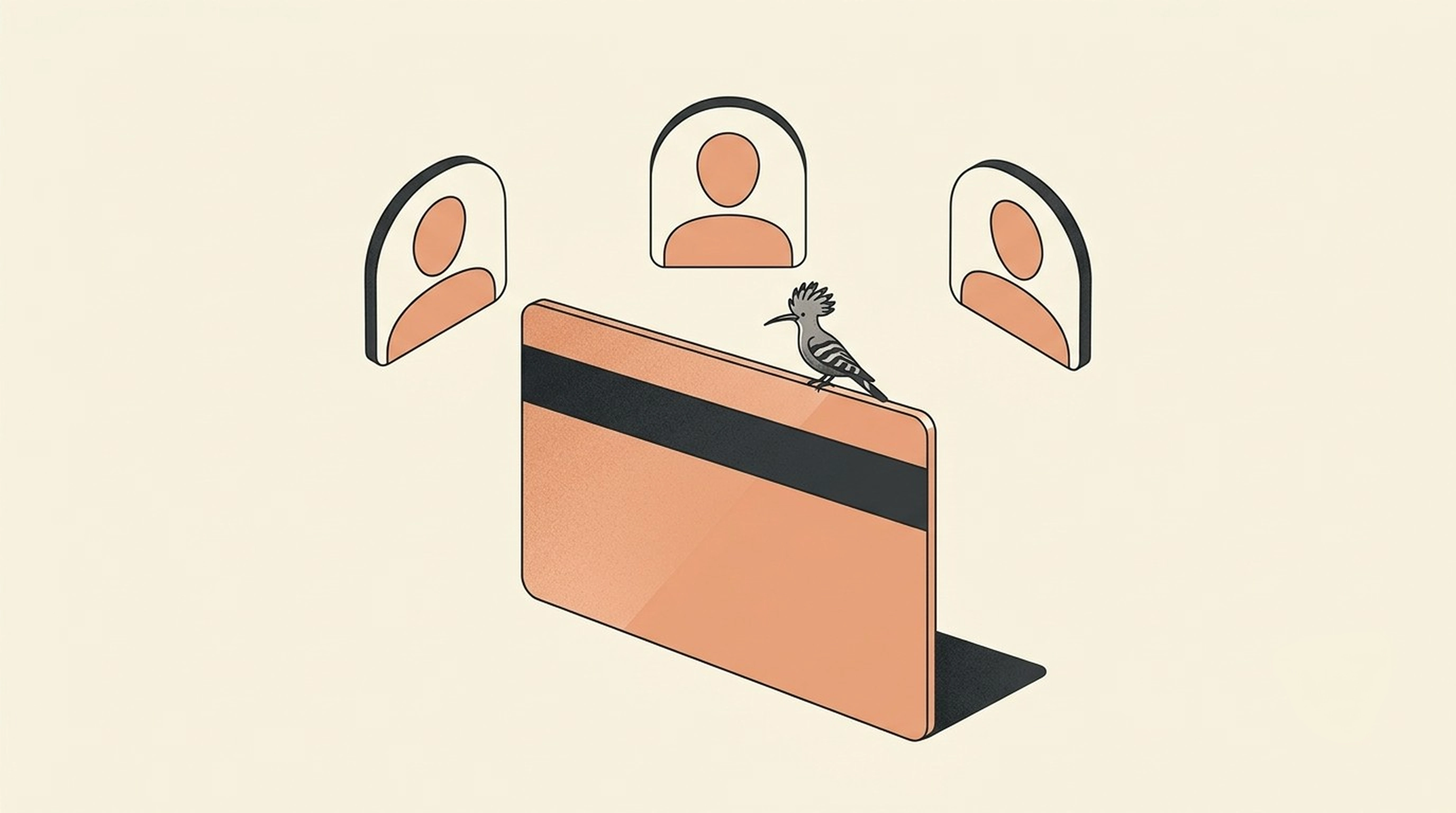
A credit card doesn't change your financial habits, it amplifies them: powerful if you're disciplined, dangerous if you're not. It doesn't raise your real income, it gives you temporary purchasing power that can turn into a heavy financial burden.
KYS is your compass for understanding your relationship with money. It uncovers your financial personality and lets us tailor the Xeer experience to how you actually behave, without compromising your privacy. The assessment is built on three core personalities, Spender, Saver and Investor, which branch by consumption style into nine financial personalities, grounded in how you really handle income, spending and saving.
Before you apply for a card, or keep using one, the real question is whether your current financial personality is built to handle debt as a tool, without it costing you more than it's worth.
We won't cover how closely credit cards sit with Sharia here. If you want that, read: "Step-by-Step Guide to Sharia-Compliant Credit Cards".
Aspects That Compound Risk
The problem here isn't the card on its own, it's the card meeting certain spending habits. These patterns make card debt build up faster:
- Spender orientation: spending is the dominant behaviour, saving follows if it happens at all. The card raises purchasing power without raising income, widening an already thin margin.
- Trendy consumption: a pull toward every new release, trend and popular product. The card removes a barrier that used to protect you financially: having to save before you buy.
- Sophisticated or quality-driven spending: a tendency to justify premium purchases as necessary or as long-term value. The card makes them immediate and available, even when the timing isn't right.
- Reactive debt management: some people only deal with debt after it piles up. With a credit card, that delay lets the balance compound quietly month after month, especially when only the minimum gets paid.
- Short-term focus: when buying in the moment outweighs future stability, managing the card becomes critical. The grace period gives a temporary sense of comfort, but carrying a balance, plus interest and fees, can turn split-second decisions into a long-term burden.
Aspects That Reduce Risk
These patterns make card use more manageable, provided payments are made on time. They don't remove the risk, they reduce it, because they keep a clear line between your real purchasing power and the credit limit available to you:
- Saver orientation: debt-averse by nature, saving is the default and spending is deliberate, which makes a revolving balance far less likely.
- Mindful behaviour: values-driven consumption based on real need, with financial decisions passing through an ethical and practical filter, which cuts unnecessary debt.
- Proactive debt management: potential debt is anticipated and handled before it escalates, so the card becomes a tool rather than a trap.
- Meticulous budgeting: spending limits that don't stretch, and a credit limit treated as a safety ceiling rather than an invitation to spend.
A Quick Honest Check
Before getting a card, answer these:
• Is there consistently money left over at the end of the month, or do you spend what you earn?
• When you see something you want, do you wait or buy?
• Can you recall roughly what you spent last month without checking?
• If an unexpected bill arrived, could you absorb it without touching savings?
• Do you usually pay what you owe on time, or put it off until it's forced?
• If you used a card, would you clear the full balance before the grace period ends, or just pay the minimum?
If your answers lean toward spending now, delaying payment, or not knowing where your money went, a credit card may not be right for you at this point.
 Conclusion
Know if you have the Financial Personality traits that can make use of a credit card, not sure which side you're on? Take Xeer's Financial Personality Assessment and get the clearest read of your financial personality. Take it first, decide after.

A product expert, the co-founder, and CEO of Xeer, a personal finance management platform built on Islamic Sharia principles. His work sits where Sharia fintech meets everyday money practices. He writes in Jarida to put financial awareness within reach of every Arabic speaker.
Read also

Navigate Financial Freedom with Chess Mindset
End the cycle of spending guilt and learn how to manage your finances with a simple, stress-free plan.
 6 min read

Your Route to Financial Freedom: A Glossary of the Concepts That Get You There
Financial literacy is one of those phrases that sounds impressive and explains nothing on its own. This article maps the core concepts you need in your toolkit, from opportunity cost to emergency funds, and it is updated continuously.
5 min read
Ramadan: A Practical Reset for Your Financial Habits
Ramadan is meant to be a month of restraint, yet it has quietly become one of the heaviest spending seasons of the year. This article turns the month into a structured reset for your financial habits, from planning the food budget to giving deliberately and leaving Ramadan without new debt.
8 min read
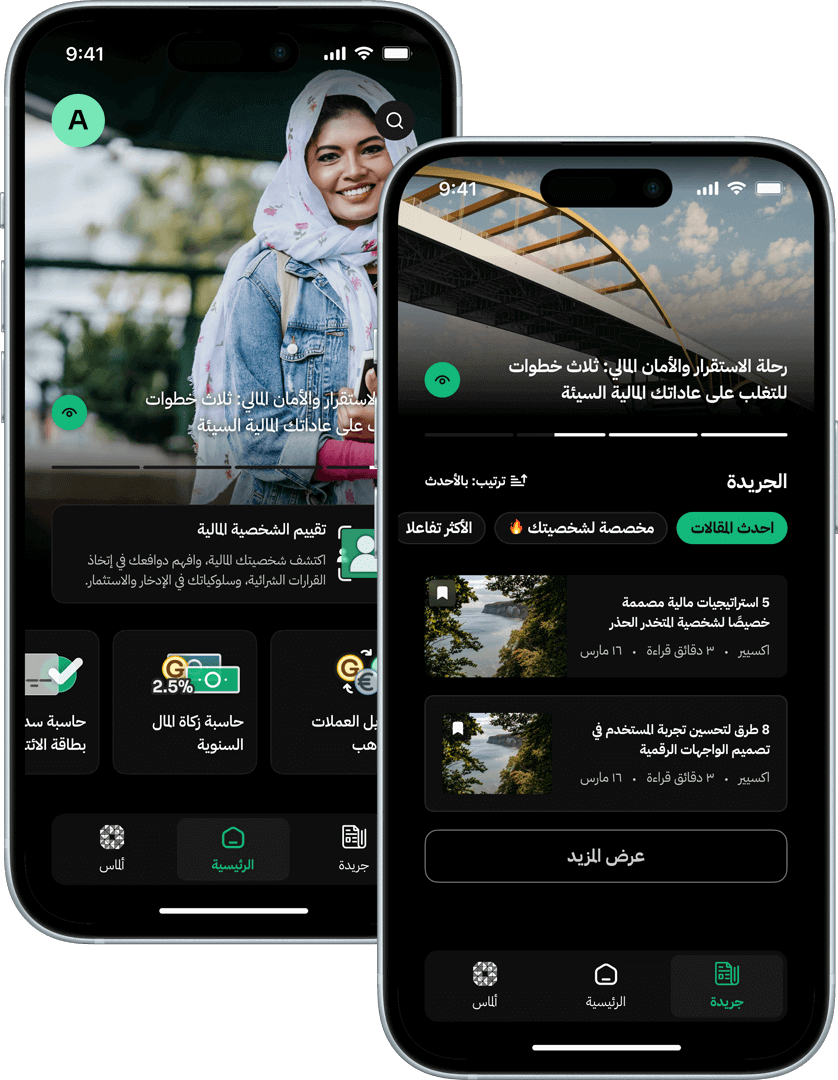
Download the app now!
Read more through the Xeer app. Download it now and enjoy all Xeer features.
 Download the App

Read also
Beyond "BNPL": The Real Cost of Consumer Installment Finance
Consumer installment finance doesn't just affect the people using it, it reshapes spending behavior, market pricing, and economic stability at scale. This article traces the real cost of BNPL from the individual decision all the way to the broader market, and what to do with that understanding.
 Ahmed El Zoughby
8 min read
Ahmed El Zoughby
8 min read
Traditional Installments & Commercial BNPL through the lens of Islamic Finance
Installment finance in Egypt takes more than one form, and the differences between them are not in the marketing, they're in the structure. This article breaks down some of those commercial models, what each one hides, and where each one stands against the sharia compliance standards.
Ahmed El Zoughby
7 min read
Buy Now, Pay Later: How Consumer Finance Became Part of Egyptian Life
Consumer installment finance in Egypt is no longer a niche product, it is infrastructure. Understanding what's driving this growth, and what the numbers behind it actually mean, is the starting point for any informed financial decision.
Ahmed El Zoughby
3 min read